Contact Us
Head Office: House Number 121, Sector 8A, Sector 8, Chandigarh, Haryana 160009
Contact No: +91-9814279771, +91-9814279995
© 2025 Afflatus. All rights reserved



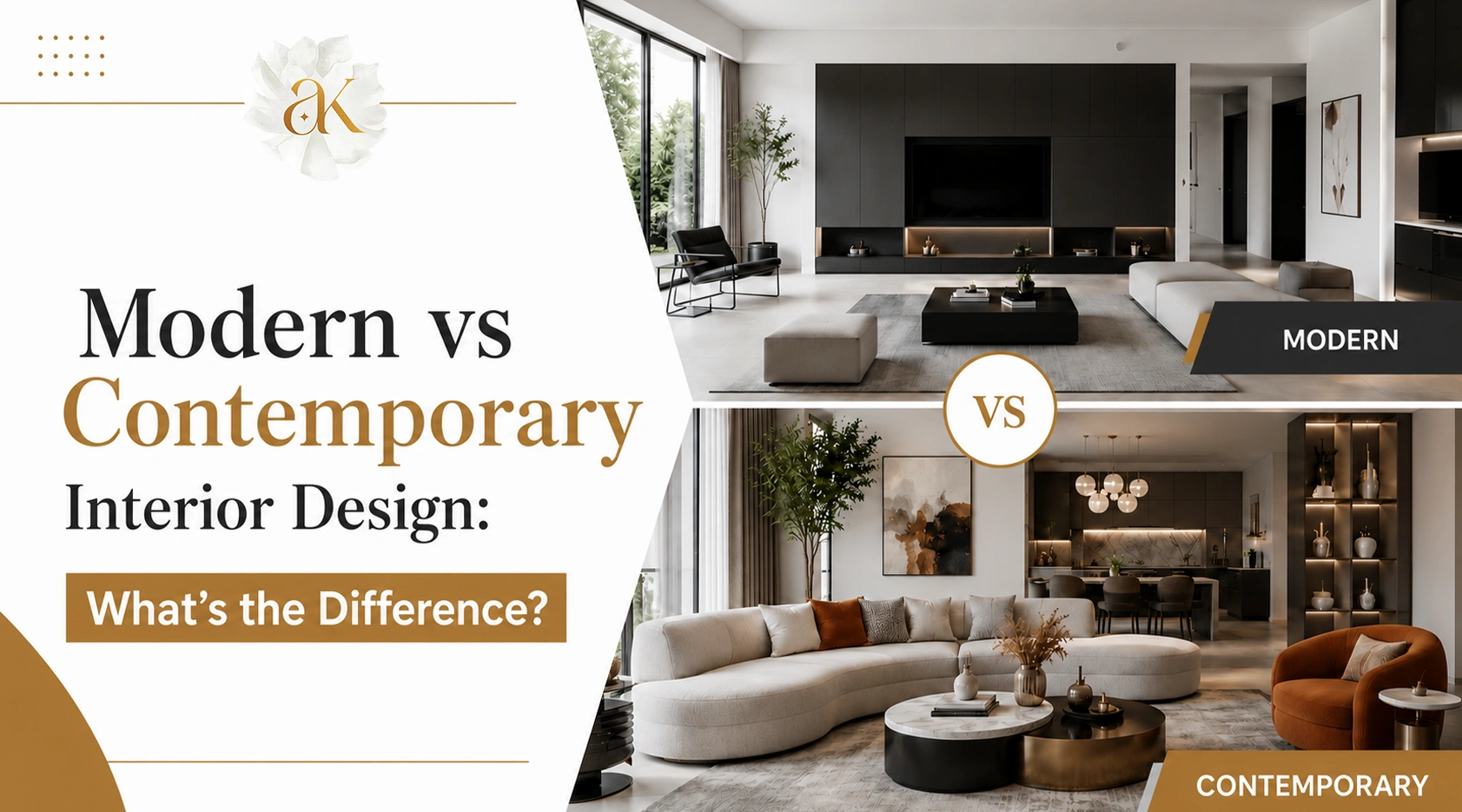
Have you ever looked at a beautifully designed home and wondered — is this modern or contemporary? Most people use these two words like they mean the same thing. But in the world of interior design, they are actually quite different from each other.
Modern design is rooted in a specific era and follows fixed design principles. Contemporary design, on the other hand, is always evolving with current trends and times. Both styles are elegant, clean and sophisticated — but they speak a very different design language.
In this blog, we will break down both styles in the simplest way possible so you can finally understand the difference — and choose what truly feels like home to you.
Most people think modern interior design simply means whatever looks trendy right now. However, this is a mistake many people make.
Modern design is a specific design movement that was born in the early 20th century — somewhere between the 1920s and 1970s. It was heavily inspired by two powerful design philosophies — Scandinavian simplicity and German Bauhaus thinking.
The core idea is beautifully simple — function always comes before decoration. No unnecessary clutter. No over the top ornaments. Just clean structured spaces, natural materials, warm neutral tones and a feeling of timeless calm that never goes out of style.
Contemporary interior design is simply about what is happening right now — today, this moment, this year.
Unlike modern design which belongs to a specific era in history, contemporary design never stays still. It is fluid, flexible and keeps evolving with current trends. It freely borrows elements from different styles and blends them together in a fresh and exciting way.
Think bold statement lighting, open airy spaces, mixed textures and a clean neutral palette that feels fresh without trying too hard. Contemporary design is the style of today — always current, always changing and always full of energy.
| Feature | Modern Design | Contemporary Design |
|---|---|---|
| Time Period | 1920s–1950s design movement | Current and evolving trends |
| Style | Fixed and timeless | Continuously changing |
| Colors | Earthy tones and neutrals | Neutral base with bold accents |
| Furniture | Functional, clean lines | Mix of shapes and materials |
| Materials | Wood, leather, stone | Glass, metal, concrete, wood |
| Décor | Minimal decoration | Artistic statement pieces |
| Lighting | Functional lighting | Decorative and dramatic lighting |
| Technology | Traditional layouts | Smart home integration |
Color is one of the easiest ways to distinguish between modern and contemporary interior design. While both styles often rely on neutral tones, the way they use color creates a completely different atmosphere.
Modern interior design is rooted in simplicity and timelessness, which is reflected in its color palette. It primarily features warm, earthy shades such as beige, brown, cream, olive green, soft gray, and white. These colors create a calm, welcoming, and balanced environment that never feels overwhelming.
Rather than using bold contrasts, modern spaces focus on subtle color harmony, allowing natural materials like wood and stone to stand out. The overall effect is a comfortable and sophisticated space that remains stylish for years.
Contemporary interiors also begin with a neutral foundation but are more open to incorporating bold accent colors. Shades like black, charcoal, navy blue, emerald green, mustard yellow, and metallic finishes are commonly used to add depth and visual interest.
These vibrant tones are often introduced through artwork, decorative cushions, rugs, statement furniture, or feature walls. Since contemporary design evolves with current trends, its color palette is more flexible, allowing homeowners to refresh their interiors without changing the entire design.
Also read: 10 Interior Design Tips to Transform Your Bedroom
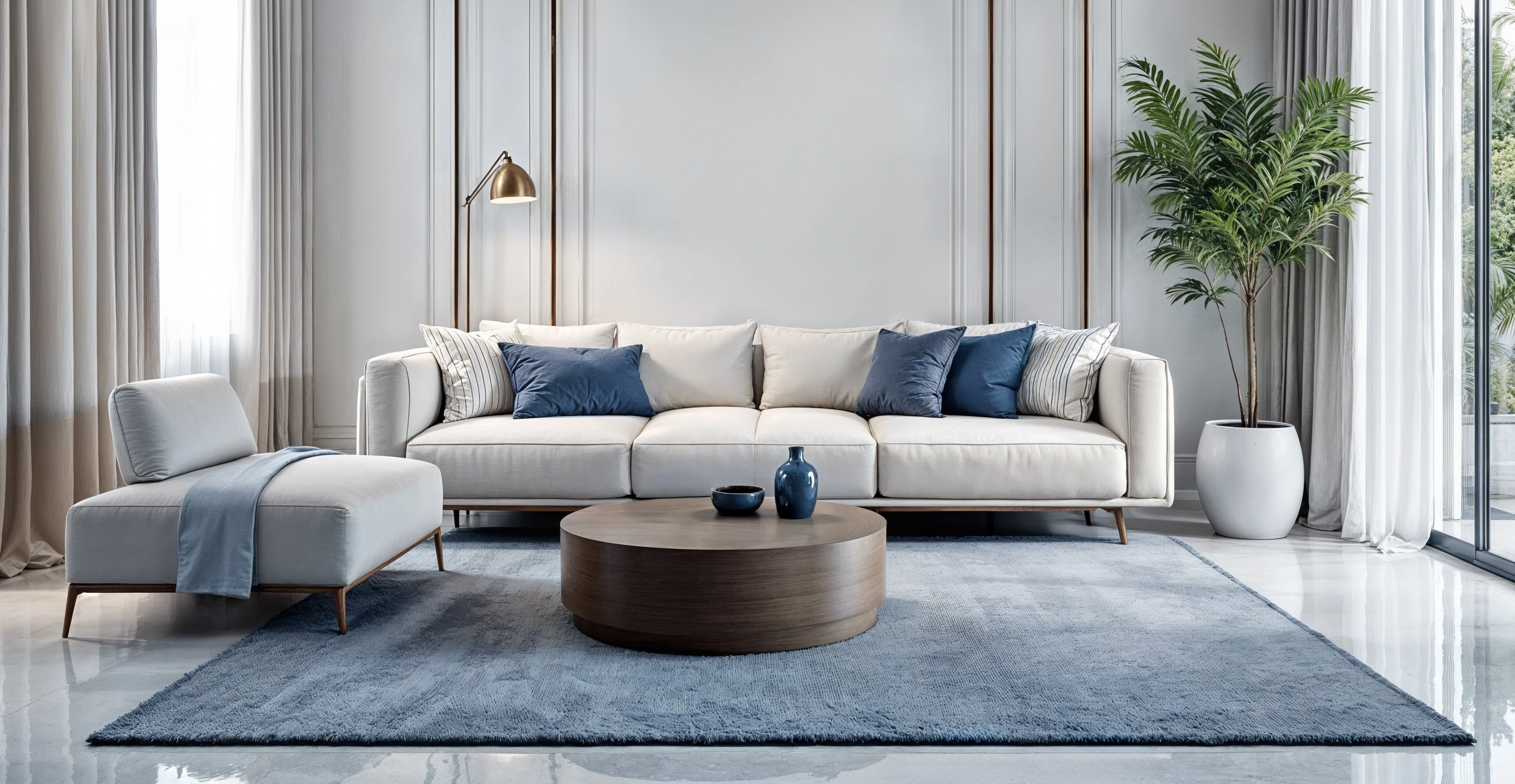
Furniture is one of the defining elements that separates modern and contemporary interior design. Although both styles prioritize clean lines and functionality, their approach to furniture design differs significantly.
Modern furniture is designed with functionality and simplicity in mind. It features clean, straight lines, smooth surfaces, and minimal detailing, ensuring every piece serves a practical purpose. Materials like natural wood, leather, and fabric are commonly used to create furniture that feels warm, durable, and timeless.
Low-profile sofas, simple dining tables, and streamlined storage units are typical examples of modern furniture. Instead of drawing attention through decorative elements, modern furniture contributes to a balanced and clutter-free living space where comfort and usability take center stage.
Contemporary furniture is more dynamic and reflects current design trends. It often combines straight lines with soft curves to create visually interesting and comfortable spaces. Designers frequently mix materials such as glass, metal, wood, and upholstered fabrics to achieve a sophisticated appearance.
Modular sofas, sculptural chairs, floating shelves, and multifunctional furniture pieces are common in contemporary homes. The emphasis is on flexibility, innovation, and aesthetics, making contemporary furniture ideal for homeowners who appreciate stylish yet practical living spaces.
The materials used in an interior play a significant role in defining its overall character. While modern design focuses on natural elements, contemporary interiors often blend natural and industrial materials for a more current look.
Modern interior design celebrates the beauty of natural materials. Solid wood, natural stone, leather, linen, cotton, and wool are commonly used to create warm and inviting interiors. These materials bring texture and authenticity into the space without relying on excessive decoration.
Natural finishes are preferred over glossy surfaces, helping the interior feel grounded, comfortable, and timeless. The emphasis is always on quality craftsmanship and durability rather than following short-lived design trends.
Contemporary interiors embrace a wider variety of materials to achieve a sleek and sophisticated appearance. Glass, chrome, stainless steel, polished concrete, engineered wood, marble, and matte finishes are frequently combined to create visual contrast and modern appeal.
These materials add depth and texture while maintaining the clean, uncluttered aesthetic that contemporary design is known for. By blending different finishes, contemporary spaces achieve a balanced mix of elegance, innovation, and functionality.
Also Read: What Type of Floor Plan Is Best for Daily Living
Lighting is much more than a functional necessity—it plays a crucial role in shaping the atmosphere of an interior. Modern and contemporary designs approach lighting differently, reflecting their unique design philosophies.
Modern interior design favors simple, functional lighting fixtures with clean geometric forms. Pendant lights, recessed ceiling lights, floor lamps, and minimalist table lamps are commonly used to provide even illumination without becoming the focal point of the room.
The emphasis is on practicality, ensuring that lighting enhances comfort while complementing the overall simplicity of the space. Natural daylight is also considered an essential part of modern interiors, with large windows helping brighten rooms naturally.
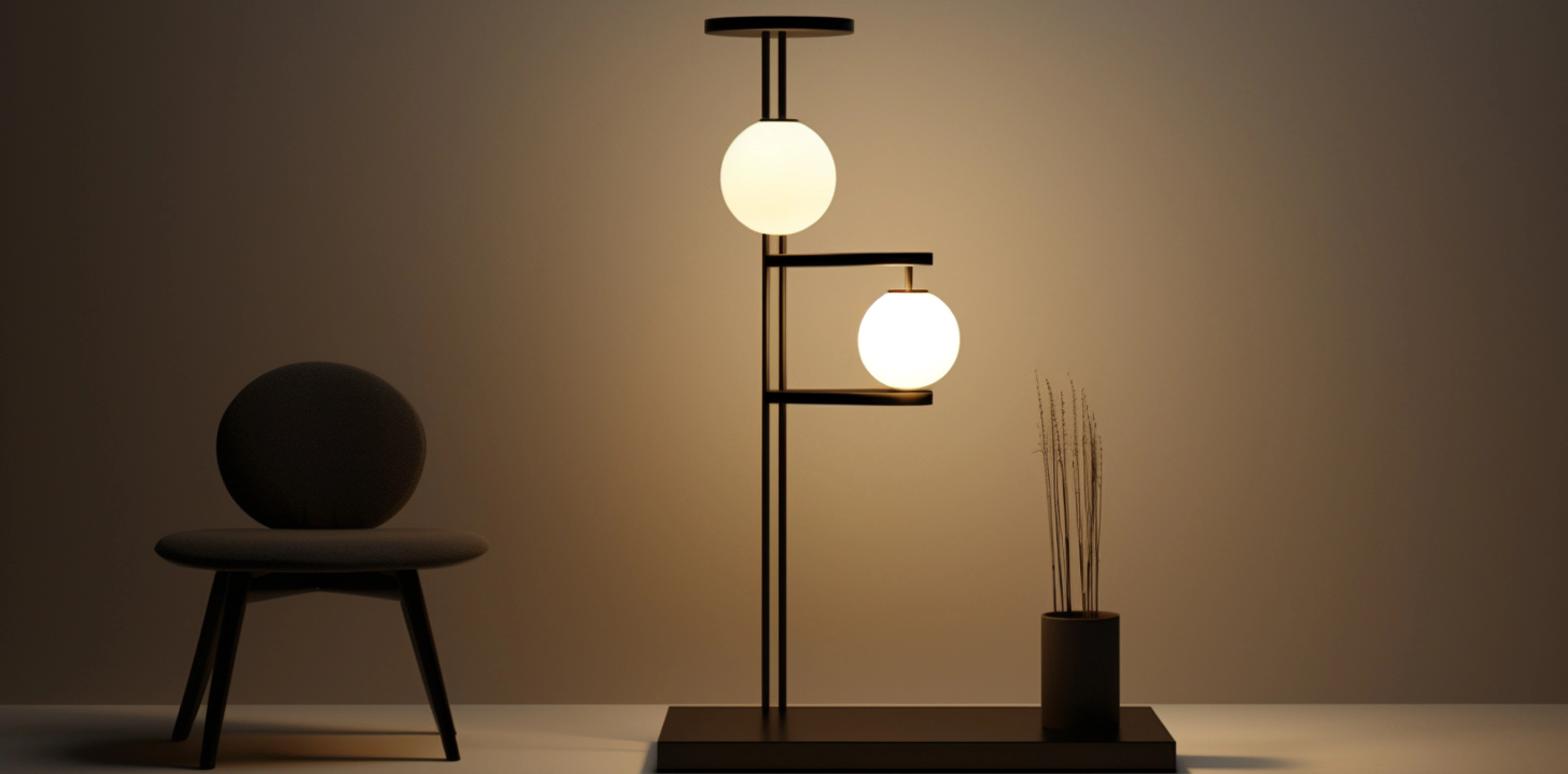
In contemporary interiors, lighting often serves as both a functional feature and a statement piece. Sculptural chandeliers, oversized pendant lights, LED strip lighting, smart lighting systems, and hidden ceiling lights are frequently incorporated to create visual impact.
Contemporary lighting is designed to highlight architectural features, artwork, and different activity zones within open-plan layouts. Advances in smart home technology have also made adjustable lighting an important aspect of contemporary interior design, allowing homeowners to customize brightness and ambiance according to their needs.
Although both modern and contemporary interiors embrace minimalism, their approach to decoration differs in style and expression.
Modern interiors follow a "less is more" philosophy, where every decorative element has a clear purpose. Rather than filling a room with accessories, modern spaces rely on a few carefully selected pieces to create visual interest.
A simple artwork, an indoor plant, a neutral area rug, or a functional decorative accessory is often enough to complete the design. This restrained approach helps maintain a peaceful, organized, and timeless atmosphere where the architecture and furniture remain the primary focus.
Contemporary interiors allow for greater creativity while still maintaining a clean and uncluttered appearance. Decorative elements are often used to introduce personality and reflect current design trends.
Abstract artwork, textured walls, sculptural décor, oversized mirrors, statement coffee tables, and designer lighting fixtures are commonly incorporated to create focal points within the space. Instead of overwhelming the room, these carefully chosen accents add character, sophistication, and visual depth, making contemporary interiors feel stylish, elegant, and uniquely personal.
Both styles are relatively easy to maintain due to their uncluttered layouts. However, modern interiors generally require less upkeep because they feature fewer decorative items and timeless furniture that rarely goes out of style.
Contemporary interiors may need occasional updates to stay aligned with current design trends, especially in terms of décor, lighting, and accent colors.
Both styles work well in compact spaces, but for different reasons. If you're finding it difficult to maximize a small home's layout, you may want to hire an interior designer who can optimize every square foot while maintaining both functionality and aesthetics.
If your goal is to make a small apartment feel larger and more stylish, either style can work effectively when planned properly.
Absolutely. Many homeowners successfully blend the two styles to create interiors that feel both timeless and current.
For example, you can pair modern wooden furniture with contemporary lighting fixtures, add abstract artwork to a minimalist room, or combine natural materials with sleek metallic accents. This balanced approach creates a home that is elegant, functional, and uniquely personal.
The key is to maintain consistency in color, scale, and overall design so the space feels cohesive rather than mismatched.
Although modern and contemporary interior design share similarities such as clean lines, open spaces, and minimal clutter, they are not the same. Modern design is rooted in a historical design movement focused on timeless simplicity and functionality, while contemporary design reflects current trends and continuously evolves with changing lifestyles.
Understanding these differences allows you to make informed decisions when designing your home. Whether you prefer the enduring appeal of modern interiors or the fresh sophistication of contemporary spaces, selecting a style that complements your daily life will create a home that is both beautiful and practical.
Investing in thoughtful design ensures your living space remains comfortable, functional, and visually appealing for years to come.
Looking for the perfect architect design partner in Chandigarh, Panchkula and Mohali ? Let’s turn your ideas into beautifully planned spaces with expert architectural design.
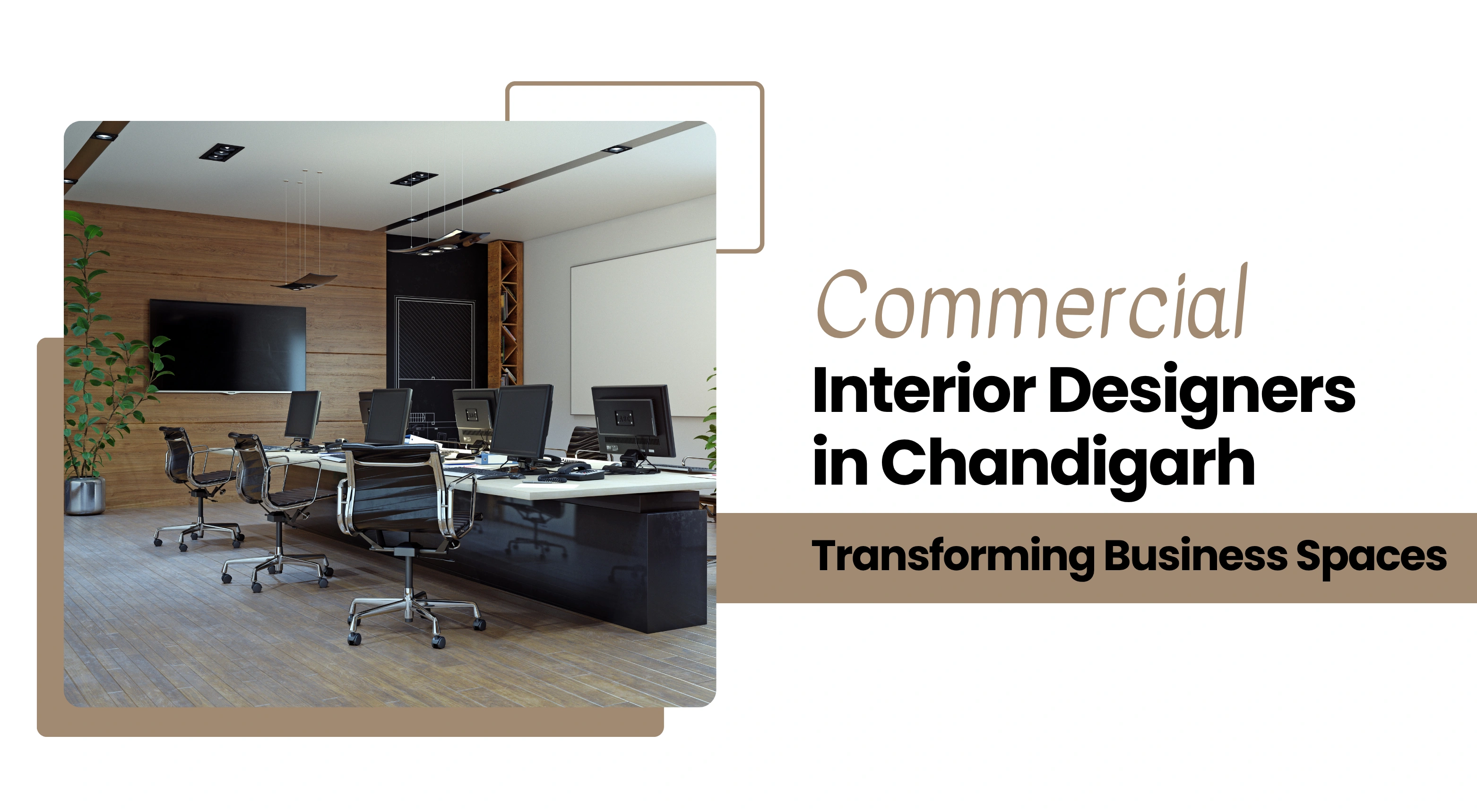
Hire a top commercial interior designer in Chandigarh to create a stylish, functional office or shop. Perfect for new setups or renovations.
Read More
Read more about personalized interior design in Ludhiana with Aradhana Kakar Designs—expert guidance, smart styling, and seamless home transformation.
Read More.webp)
Explore the top 8 interior design tips to make a small room look spacious. Learn how smart layouts, lighting, and furniture choices can open up your space.
Read More