Contact Us
Head Office: House Number 121, Sector 8A, Sector 8, Chandigarh, Haryana 160009
Contact No: +91-9814279771, +91-9814279995
© 2025 Afflatus. All rights reserved



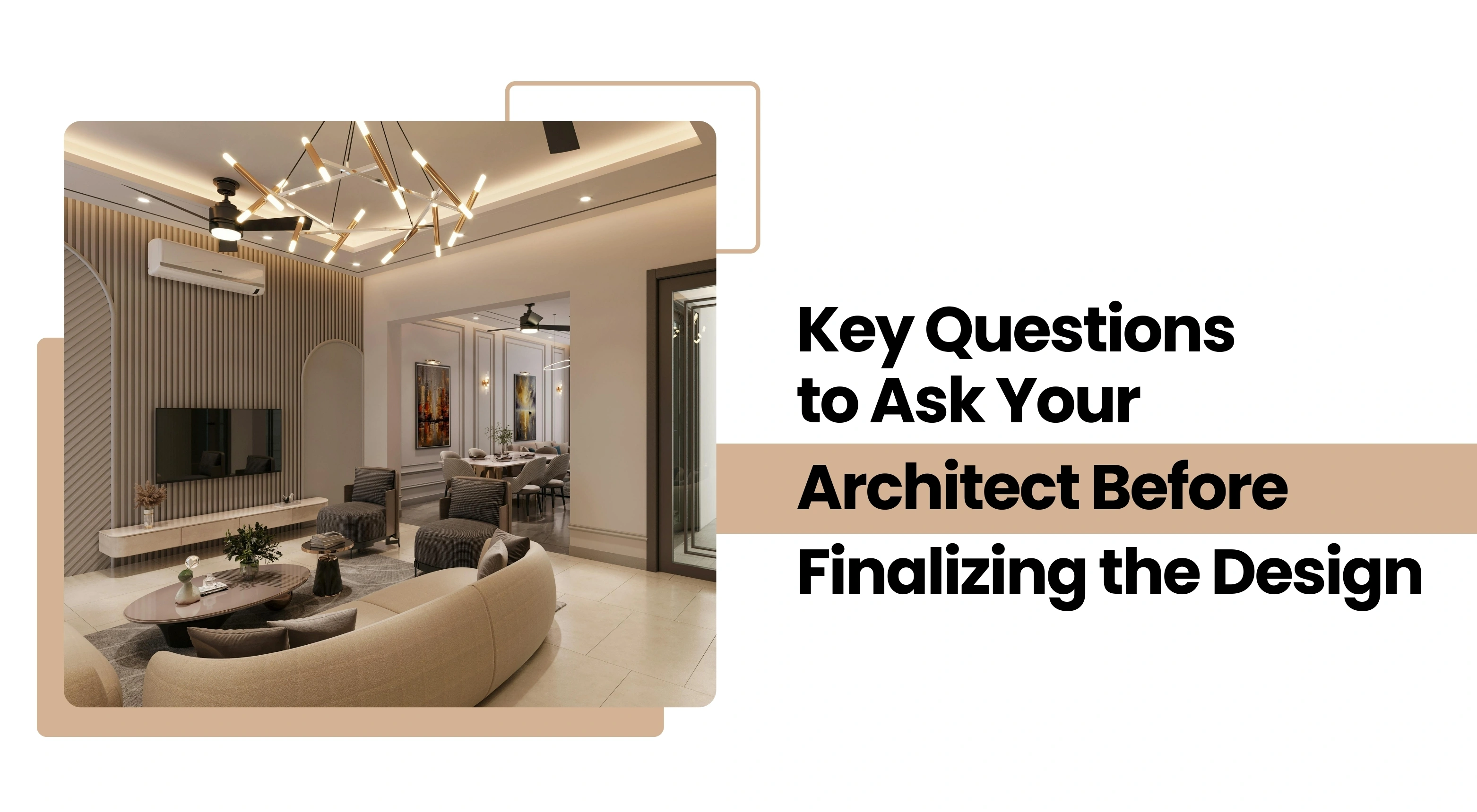
Building a house or office is a mega dream. And it takes a lot of time and money. Among the choices you have to make on this journey, selecting the right architect is a critical one. You have to ask the right questions prior to locking in the design. These questions help you to avoid mistakes, control costs, and obtain the best results. A good architect will welcome your questions and answer them promptly.
In this post, we’ll discuss the questions you should be asking your architect before you give the design the green light and explain why each is important and how they can be instrumental in keeping your project safe.
Why It Matters to Ask Your Architect Questions
An architect doesn't just draw plans. They shepherd your project from conception to completion. If you don’t ask questions early, you may run into problems down the road.
The following are questions you should be asking:
Effective communication builds a solid foundation for your project.
Not every architect has experience with every type of building. Some specialize in houses. Others focus on offices, houses, or shopping centers.
Why this question matters:
Ask follow-up questions like:
A good architect with experience can take your ideas and create a working design.
Design drawings can be confusing. Understand the design fully before you sign off on it. Have the architect explain the design concept in layman's terms.
It makes it easier for you to understand:
Budget is a major concern for every project. Ask clearly if the design matches your budget.
Important points to discuss:
Stage materials determine the strength, appearance, and life of the building. What are the proposed materials for your project, Architect?
Discuss questions such as the following:
The quality of materials chosen will save you money over time. A great architect works within your budget, not outside of it.
Every city has building laws and approval rules. Your design must follow these rules.
Ignoring rules can lead to fines, delays, or demolition.
Natural light and fresh air are very important for health. Ask how the design handles light and ventilation.
Benefits of good planning:
Good architects always focus on natural design elements.
Your needs may change over time. Ask if the design allows future changes.
Flexible designs increase the value of your property.
Time delays may add to the cost. Inquire about the project schedule prior to concluding the design.
A definite schedule is indicative of better planning.
Planning time is as important as planning a budget. And how long will the entire design process take before you can confirm the design?
Why is asking this helpful:
If the schedule is set from the beginning, you and the architect will be able to work well together and finish the project on time.
As you grow older and life changes, so too may your needs. Good design should be able to facilitate future changes without too much trouble.
Ask your architect:
Why is this question so important?
A well-designed, flexible home or building will still be useful and functional after many years.
Choosing the right professional guidance can make a big difference in long-term success. How to Choose the Right Architect for Your Home or Office — a helpful guide that walks through key factors to consider when selecting an architect.
Before you finalize your design, it is important to avoid some common mistakes. These small errors can cause big problems later.
Avoid these mistakes:
Finalizing your design is a step you should not ignore on your building journey. To your Architect that, you have to ask the right questions, which will help you avoid mistakes, control costs, and design a home that really works for you and your family.
An architect is more than just a person who draws up floor plans, but a trusted advocate who walks you through thoughtful decisions. When lines of communication are open, ease and success are a given, with the result always being higher levels of function and comfort.
An expert to lead you through inspired planning and pragmatic design solutions, AradhanaKakarDesigns.com brings you architectural and interior design services that emphasize simplicity, craftsmanship, and enduring value.
Looking for the perfect design partner? Whether you need an architect's office in Chandigarh , experienced architects in Panchkula or architects in Mohali , we’re here to turn your ideas into beautifully planned spaces.

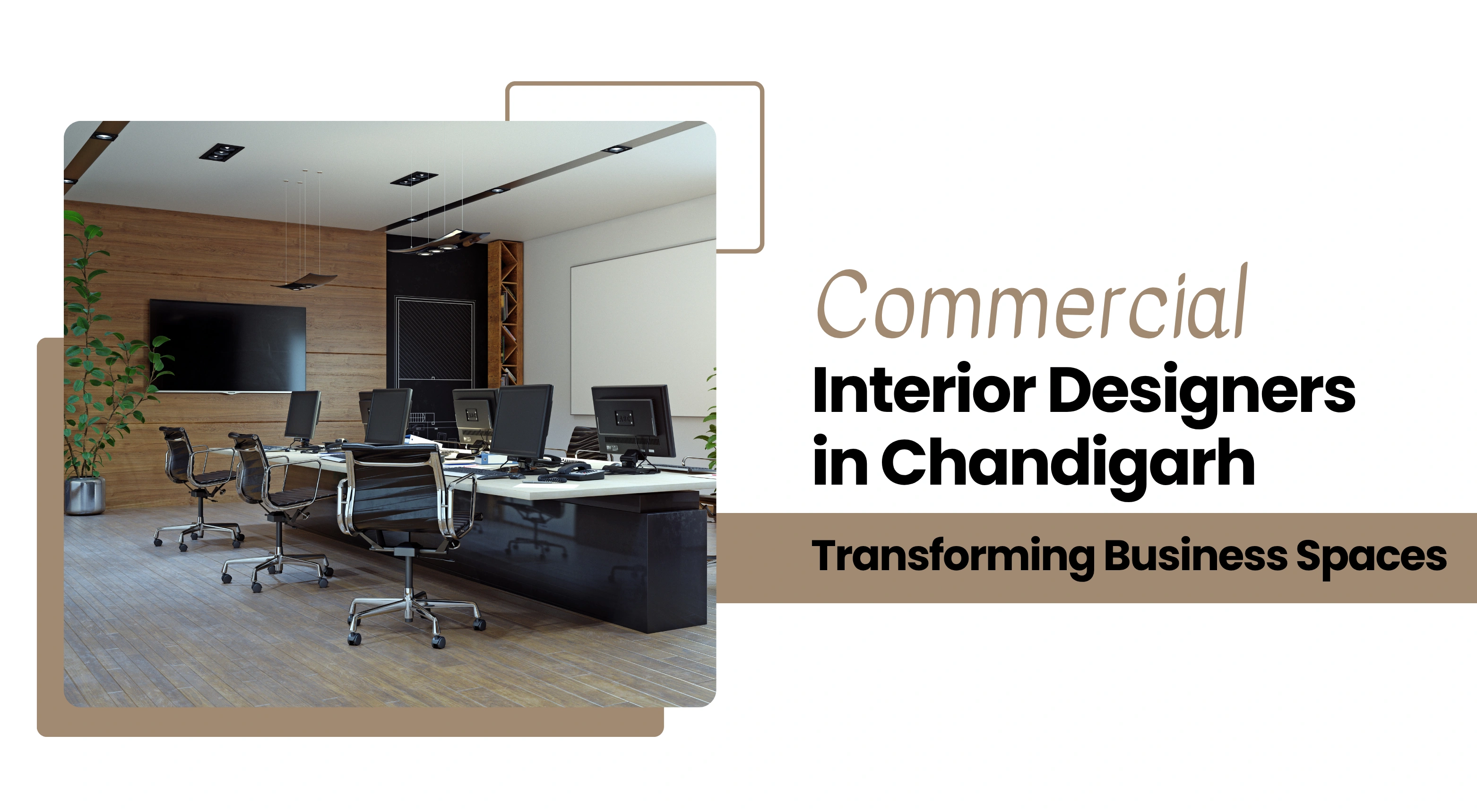
Hire a top commercial interior designer in Chandigarh to create a stylish, functional office or shop. Perfect for new setups or renovations.
Read More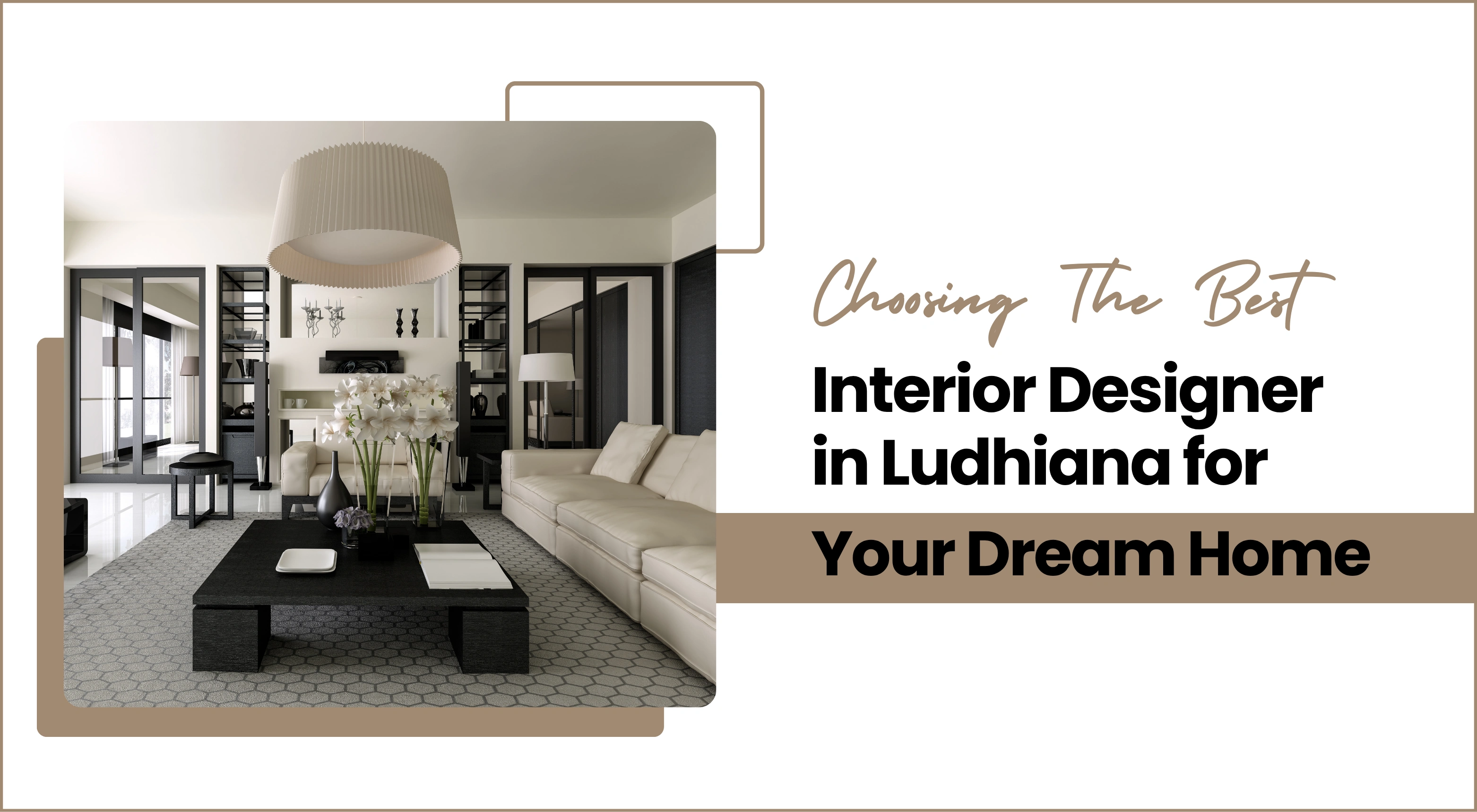
Read more about personalized interior design in Ludhiana with Aradhana Kakar Designs—expert guidance, smart styling, and seamless home transformation.
Read More.webp)
Explore the top 8 interior design tips to make a small room look spacious. Learn how smart layouts, lighting, and furniture choices can open up your space.
Read More